
Private placements are investment opportunities offered to a select group of investors rather than the general public.
These offerings are exempt from the usual SEC registration requirements, which means they don’t have to file detailed prospectuses or regular financial reports.
It’s a way for companies to raise capital without going through the rigorous process typically required for public offerings.

Key Features of Private Placements
- Exemptions from SEC Registration:
- Companies can bypass many of the formalities required for public offerings, making it easier and faster to raise funds.
- This exemption often depends on factors like the amount of money being raised and the financial status of the investors.
- Compliance with Anti-Fraud Provisions:
- Even though they’re exempt from registration, private placements must still adhere to anti-fraud rules established by the Exchange Act of 1934. This means companies can’t mislead investors.
-
Common Structure:
- Many private placements are organized as limited partnerships. In this setup:
- General Partners: Actively manage the investment and are personally liable for the partnership’s debts.
- Limited Partners: Provide capital but are generally only at risk for the amount they invest.
- Many private placements are organized as limited partnerships. In this setup:
Looking to grow your wealth?
Let me help you make your money work for you
Managed Investment Accounts – harness the expertise of professional asset management. I’ll focus on growing your wealth, so you can focus on living your best life.
Automated Trading System – effortlessly grow your capital with our automated trading solutions
Examples of Private Placements
- Private Energy Investments:
- These programs allow investors to put money into energy projects, such as oil and gas drilling. While they don’t require SEC registration, they often need to ensure that participants are accredited investors (those with a certain net worth or income).
- Some programs permit a limited number of non-accredited investors, but these investors must receive detailed information, such as financial statements.
Interesting Fact: Certain energy partnerships offer a feature that allows investors to switch from general to limited partner status after the drilling phase, letting them take advantage of tax deductions.
- Real Estate Limited Partnerships (RELPs):
- RELPs focus on developing and managing commercial real estate projects. While some are public, many are private placements.
- Investors pool their money to buy and manage properties, but the specific properties aren’t usually identified when investors buy in, which can complicate things.
Considerations: The success of an RELP can depend on factors like the debt taken on, fees charged, and the experience of the managers. Even though returns can be substantial, the lack of liquidity can make these investments riskier.
Private Equity:
- This term encompasses firms that raise funds to invest in business ventures, often organized as limited partnerships.
-
- These firms may focus on venture capital (investing in startups) or buyouts (acquiring and restructuring existing companies).
- Investors must usually be accredited and typically face high minimum investment requirements, along with fees that can be substantial.
Note: Private equity investments can be illiquid, meaning investors might not see a return until the investment term ends, which could be 8 to 10 years down the line. However, for reputable firms, the potential returns can be significant.
Regulatory Landscape
Two main regulations that cover private placements are Regulation A and Regulation D of the Securities Act of 1933.
- Reg D: This is the most common exemption, particularly under Rule 506, which allows issuers to raise an unlimited amount of capital from accredited investors.
- Rule 506(c): Issuers can advertise but can only sell to accredited investors and must provide audited financial statements.
- Reg A: This is more suited for smaller offerings, allowing issuers to raise up to $5 million in a 12-month period without the need for accredited investors or audited financial statements.
Conclusion
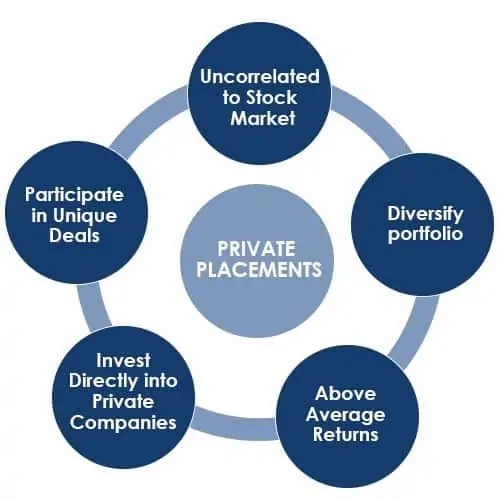
Private placements offer intriguing investment opportunities, particularly for those looking to diversify their portfolios. However, they also come with specific risks, particularly around liquidity and the potential complexity of the investments. Understanding the structure and regulatory framework is essential before diving in. As always, it’s wise to consult with financial advisors or tax experts when considering these types of investments to navigate the complexities effectively.
Wishing you a great week!
Want Your Money To Grow?
Subscribe to get free research, trading lessons, and more insights.
(We do not share your data with anybody, and only use it for its intended purpose)


